The Ultimate Guide to Clean Room Sandwich Panels: Materials, Standards, and Selection
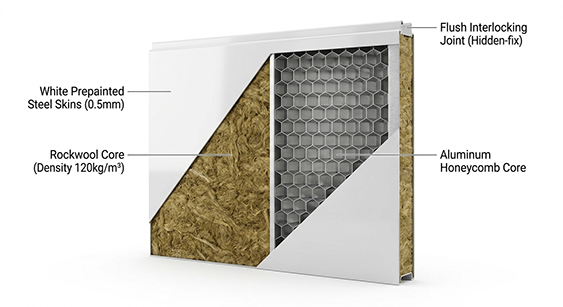
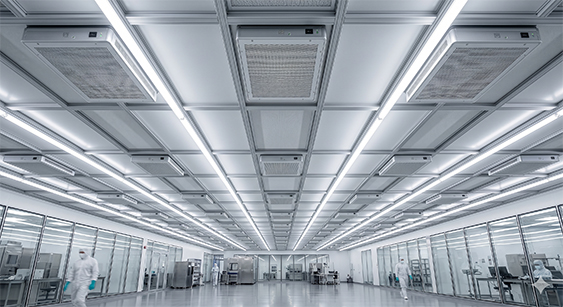
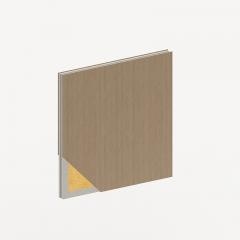
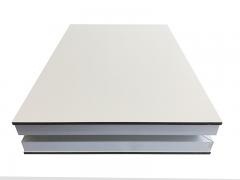
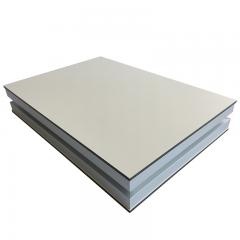
A clean room sandwich panel is a high-performance modular building component consisting of two outer skins (typically prepainted steel, stainless steel, or HPL) and a specialized core material. When designing a state-of-the-art facility, choosing the right cleanroom wall panel system is essential for maintaining strict environmental controls. Designed for industries like pharmaceuticals and semiconductors, these panels provide crucial air-tightness and smooth surfaces to prevent particle accumulation. Whether you are building a standard sandwich panel cleanroom or require highly specialized fireproof cleanroom panels, understanding your material options is the first step in successful modular cleanroom construction.
Comparison of Core Materials for Clean Room Panels
Before looking at the table below, it's important to evaluate your facility's specific needs. For example, if your laboratory requires frequent washdowns with harsh sterilization chemicals, choosing an HPL sandwich panel offers superior impact and corrosion resistance compared to standard prepainted steel.
|
Core Material
|
Fire Rating
|
Weight
|
Best Use Case
|
|
Rockwool
|
Class A (Non-combustible)
|
Heavy
|
High-fire risk pharmaceutical labs
|
|
Aluminum Honeycomb
|
Class A
|
Ultra-light
|
High-precision electronics & aerospace
|
|
PU / PIR
|
Class B1
|
Very Light
|
Temperature-controlled cold rooms
|
|
HPL Panel
|
Impact Resistant
|
Medium
|
Frequent cleaning & chemical exposure
|
Frequently Asked Questions About Clean Room Sandwich Panels
-
Q: How thick should a clean room sandwich panel be?
A: The most common thickness is 50mm for standard walls, though 75mm and 100mm are highly recommended for enhanced thermal insulation and structural integrity in larger facilities.
-
Q: Are Wonclean panels GMP compliant?
A: Yes, all our panels are engineered to meet strict ISO 14644-1 and GMP standards. With flush integration and anti-corrosion finishes, they ensure a 100% sterile environment.
-
Q: Can these panels integrate smoothly with other cleanroom components?
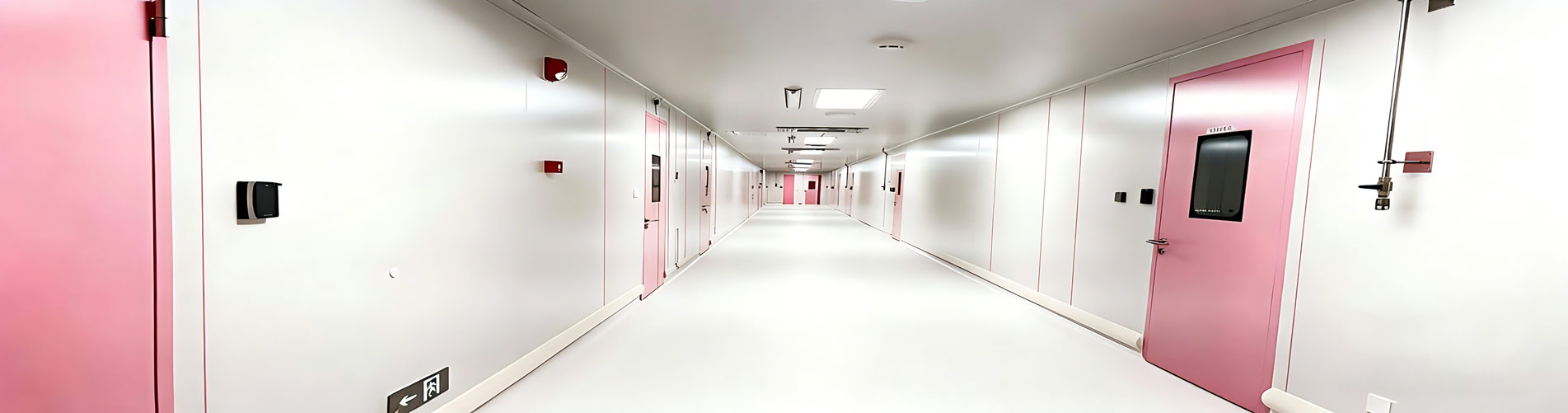
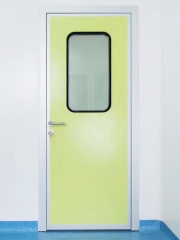
A: Absolutely. Our panel systems are designed for perfectly flush integration. For instance, they seamlessly connect with any clean room double glass window to eliminate dust accumulation zones. Furthermore, if you are building a complex layout, they work perfectly as a load-bearing cleanroom partition wall to separate different ISO classification zones.




 layanan daring

