







Prefabricated Modular Laboratory Infrastructure Shipments Surge: The 2026 Global Engineering and Regulatory Compliance Milestone
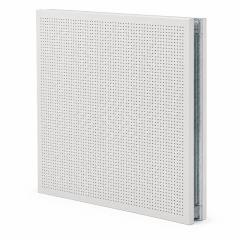
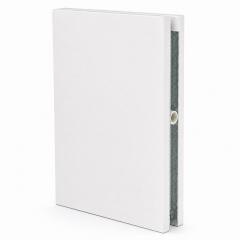
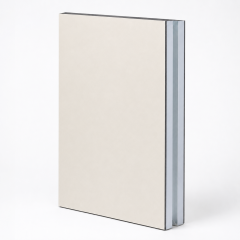
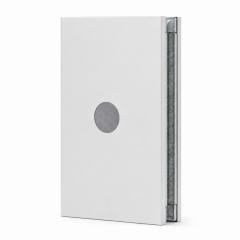
What defines the deployment speed of a certified prefabricated modular laboratory infrastructure under newly updated 2026 international biotech constraints? As global manufacturing requirements pivot toward rapid execution, traditional field welding and messy component modifications are becoming obsolete legacy constraints. Advanced project management dictates sourcing factory-calibrated frameworks where every interlocking heavy-duty cleanroom ceiling grid is pre-cut and pre-aligned under strict indoor climatic controls. Upgrading your architectural layout to utilize premium structural HPL sandwich panel envelopes eliminates standard field framing gaps, ensuring total pressure retention across complex containment wings. Integrating this fully synchronized cleanroom partition system creates an unyielding structural envelope that passes rigorous regional GMP acceptance validations on the very first try.
How Do Pre-Engineered Structural Infrastructure Systems Resolve Local Site Labor Shortages This Quarter?
The current quarterly industrial supply data confirms a massive shift toward off-site pre-assembly methods. Shifting 85% of structural assembly tasks away from traditional field environments directly into controlled manufacturing plants addresses growing global skilled framing workforce deficits. Every prefabricated modular laboratory infrastructure leaves the staging deck as a complete structural unit with integrated engineering paths, ready to lock directly into floor track alignments without requiring extensive on-site custom structural work.
Why Does Factory Trial Operation Guarantee Perfect Post-Shipping Pressure Retention?
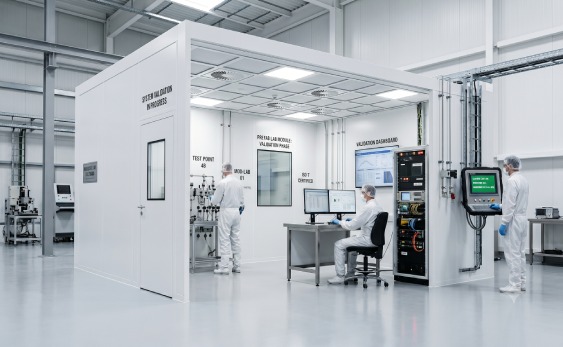
Traditional cleanroom construction risks hidden structural leakages due to inconsistent manual sealing tape application at the job site. Factory-engineered module fabrication protocols solve this quality issue completely by executing full Factory Acceptance Testing (FAT) before deep-sea logistics container loading. Technicians assemble the structural partition frame, seal all joints with specialized gaskets, and pressure-test the envelope to verify differential wind pressure metrics remain between 0 and 60 Pascals, ensuring perfect air barrier performance after shipping.
| Project Phase Milestone | Wonclean Modular Prefabrication | Traditional On-Site Framing | Total Execution Risk Reduction |
|---|---|---|---|
| Structural Skeleton Assembly | Completed in Factory (3 Days) | Manual Field Welding (14 Days) | Eliminates site weather delays |
| Ceiling Grid Integration | Pre-Aligned Interlocking Tracks | Manual Shimming & Hanging | Prevents ceiling sagging errors |
| Validation Staging Time | Immediate (FAT Certified) | Post-Construction Debugging | Reduces multi-week testing cycles |
Which Transport Optimization Methods Minimize International Project Shipment Costs?
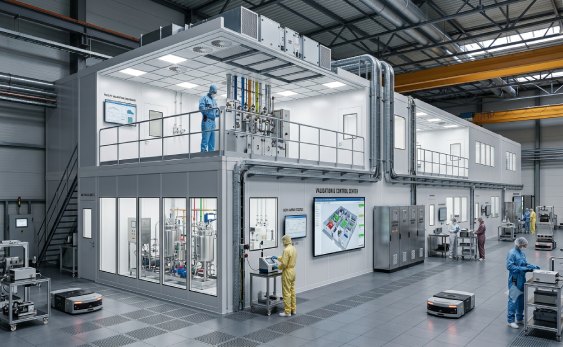
Shipping large modular systems across long logistics routes requires careful container layout planning. Switching from bulky traditional fixed room configurations to innovative, patented foldable frame mechanics allows individual wall components to pack tightly together during ocean shipping, increasing total container loading capacity by up to 60%. Lowering shipping volume costs allows pharmaceutical and electronic facility buyers to redirect project capital budgets toward premium surface materials and higher-grade air filtration components.


 layanan daring

