

Technical Blog | Laboratory Wet Areas
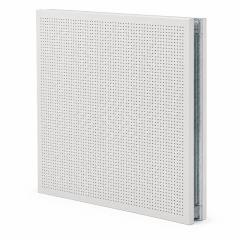
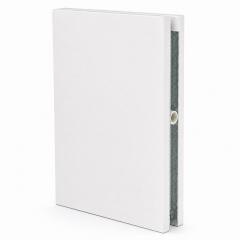
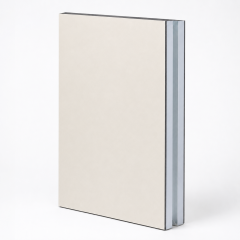
Laboratory wet areas expose cleanroom wall material to water, disinfectants, reagents and repeated wiping. HPL cleanroom panels can help when sink walls, reagent rooms and splash zones are detailed as part of a cleanable envelope.
cleanroom wall material HPL cleanroom panel modular lab project support
Wet-area cleanrooms fail quietly. A wall may look smooth on day one, but repeated splash, wiping, disinfectant exposure and reagent handling can reveal weak joints, swollen edges, stained corners or difficult-to-clean transitions. HPL cleanroom wall detailing should therefore be designed around use, not just appearance.
Wet-Area Risk
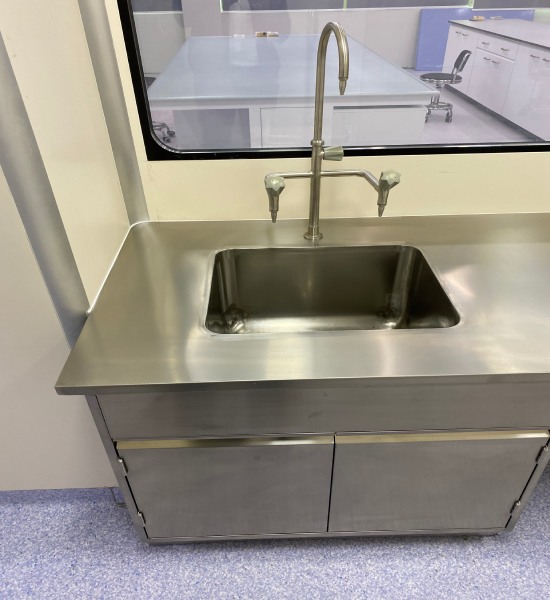
A sink wall sees local humidity, hand contact, cleaning tools and splash. If the panel edge, outlet opening, pipe penetration or countertop junction is not sealed correctly, water can enter areas that are hard to inspect. The result may be staining, swelling, hidden residue or microbial risk in spaces that operators assume are clean.
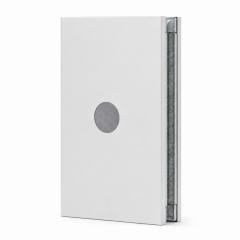
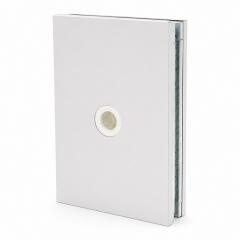
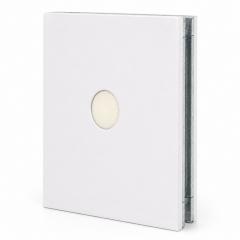
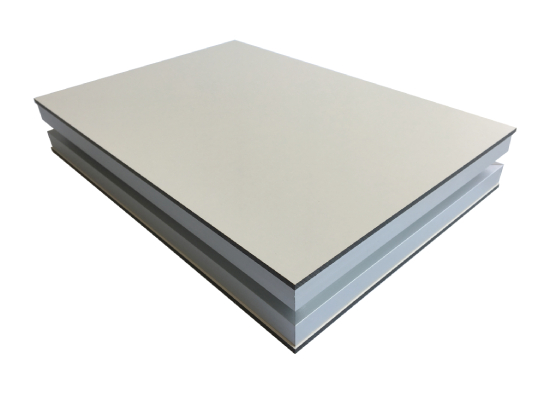
A good HPL cleanroom wall detail should define the panel face, core, edge closure, sealant, corner transition, mounting method and service penetration strategy. For laboratory wet areas, it should also define how the surface will be cleaned and what chemicals are expected.
ISO 14644-4 is useful because it links cleanroom requirements, design, construction and start-up. Wet-area wall details should be agreed before installation, not improvised around sinks and reagent cabinets.
Detailing Matrix
The phrase hpl cleanroom wall is too broad unless the design shows where water, disinfectant, reagents and carts will actually contact the surface. A dry corridor, a sink wall and a reagent storage room do not need the same risk controls.
| Location | Primary risk | Recommended detail |
|---|---|---|
| Sink wall | Splash, pipe penetrations and trapped water. | Sealed edge closure, cleanable cove and planned service penetrations. |
| Reagent room | Chemical contact, storage impact and cleaning residue. | Chemical compatibility review and protected wall zones. |
| Splash zone | Repeated wiping and local moisture stress. | Smooth face, compatible sealant and no exposed absorbent edge. |
| Door and window frame | Joint staining, edge swelling and cleaning shadow. | Flush frame, sealed perimeter and documented inspection point. |
GMP Perspective
For sterile pharmaceutical facilities, EU GMP Annex 1 emphasizes contamination control strategy and cleanroom design that supports cleaning and contamination prevention. Not every laboratory wet area is a sterile manufacturing room, but the same engineering discipline is useful: choose surfaces that can be cleaned, inspected and maintained without hidden damage.
In practice, this means HPL cleanroom panel selection should be paired with cleaning SOPs, disinfectant compatibility, joint inspection, replacement strategy and wet-service detailing. A beautiful panel surface is not enough if the sink penetration or reagent cabinet junction is vulnerable.
Maintenance View
Wet-area panels should be inspectable at corners, joints, service openings and base transitions. If a panel is damaged, the team should know whether it can be replaced without dismantling a long wall run or exposing absorbent material. For modular laboratories, this should be part of the panel schedule.
ISO 14644-1 remains the reference for airborne particle cleanliness classification where the wet-area laboratory is part of a classified cleanroom. Wall material does not define the class; it supports cleanroom operation by reducing dirt traps and cleaning failure points.
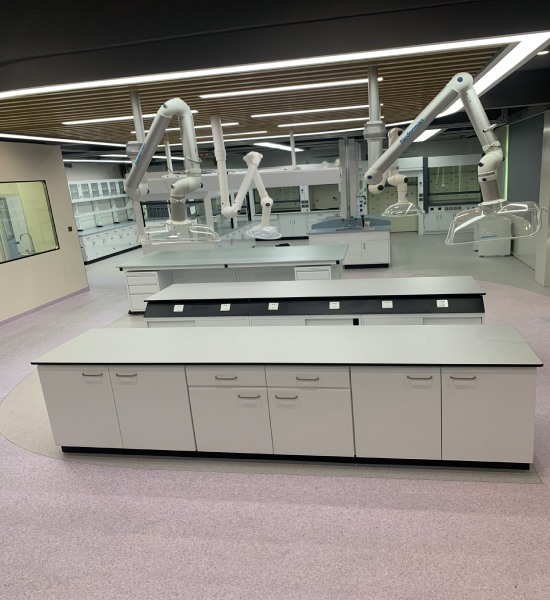
Wonclean can support wet-area cleanroom wall planning by coordinating HPL panels, cleanroom doors, windows, service penetrations and modular laboratory layouts as one package.
Technical Fact Check
Referenced Technical Standards
FAQ
They can provide a durable, smooth and cleanable wall surface when the edges, joints and service penetrations are detailed correctly.
No. Compatibility should be checked against the actual disinfectants, reagents and cleaning frequency used in the laboratory.
Edge closure and penetrations are critical because hidden water ingress can damage the wall system even when the visible surface looks intact.
They may be suitable when the surface, joints, cleaning compatibility and contamination control strategy match the GMP process requirements.

 Room JT30151, Building 4, Area B, No. 925 Yecheng Road, Industrial Zone, Shanghai,China
 Info@wonclean.com
Allen@wonclean.com
Joy@wonclean.com
Info@wonclean.com
Allen@wonclean.com
Joy@wonclean.com
 +86 13671979988(Allen)+86 15950938878(Joy)


 layanan daring

