




How to Determine Semiconductor Cleanroom Cost Per Square Foot 2026: A Strategic ROI Guide
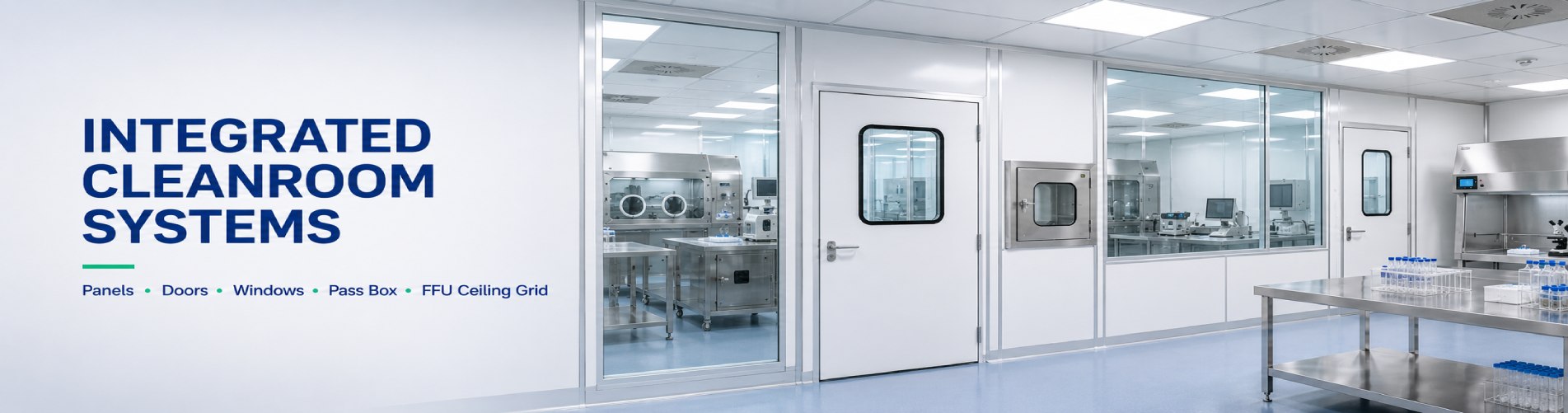
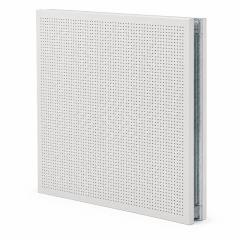
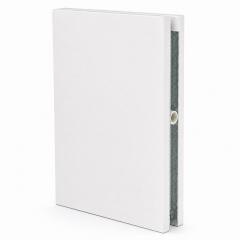
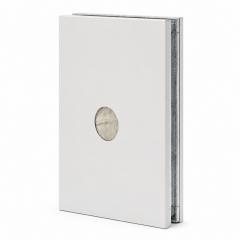
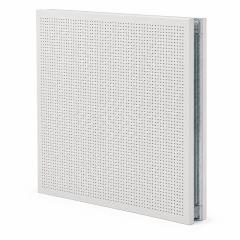
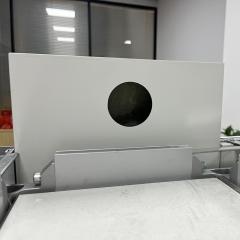
In 2026, the global push for sub-2nm fabrication has shifted the baseline for cleanroom investment. Understanding how to budget for a modular cleanroom requires a deep dive into advanced air filtration and structural integrity. To achieve Class 1 to Class 100 sterile environments, partnering with a leading cleanroom panel supplier is essential for precision engineering. Today’s projects increasingly rely on a high-efficiency Cleanroom FFU ceiling grid to manage laminar airflow, while the choice of cleanroom wall material directly impacts the facility's ESD (Electrostatic Discharge) safety and long-term durability.
How to Analyze Cost Factors: ISO 14644 and GMP 2026 Compliance
The cost per square foot is no longer a flat metric; it is a variable of "Air Change Rates" and "Particle Sensitivity." For 2026, ISO 1-5 environments for semiconductor lithography require H14 HEPA/ULPA filtration coverage of 60% to 100%. The integration of AI-driven HMI monitoring has added a 15% premium to initial CAPEX but reduces energy OPEX by 30% through demand-flow FFU control.
| Cleanroom Class (ISO) | Typical Cost 2026 (USD/sq.ft) | Filtration Coverage |
|---|---|---|
| ISO 3 (Class 1) | $1,500 - $3,500+ | 90% - 100% ULPA |
| ISO 5 (Class 100) | $600 - $1,200 | 35% - 70% HEPA |
| ISO 7 (Class 10,000) | $250 - $500 | 15% - 25% HEPA |
How to Optimize Your Semiconductor Cleanroom Wall Material Selection?
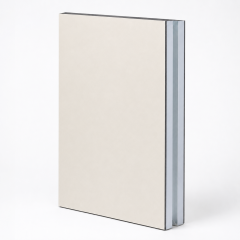
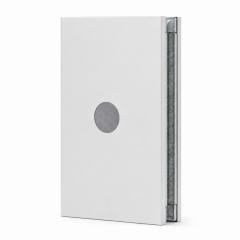
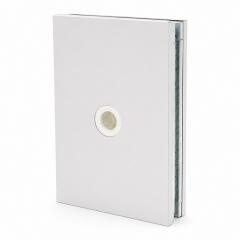
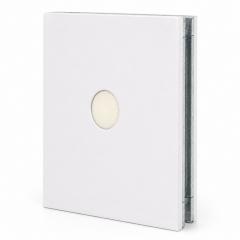
Material science has evolved. In 2026, semiconductor facilities are moving away from standard painted steel. Advanced HPL (High-Pressure Laminate) and Aluminum Honeycomb cores are preferred for their "Zero-Gas Out" properties, preventing molecular contamination that can ruin silicon wafers. These materials provide the planarity required for automated material handling systems (AMHS).
How to Implement a Walkable Cleanroom FFU Ceiling Grid for Maintenance?
Maintenance downtime is the "hidden cost" of cleanrooms. A heavy-duty, walkable ceiling grid allows technicians to service FFUs and sensors without breaching the sterile environment from below. By 2026 standards, these grids must support a point load of 150kg to ensure safety during filter replacements.


 layanan daring

